Engine Operating Hours
Track engine runtime for activity planning and operational efficiency optimization.
Around half of vehicle fleet costs stem from fuel and maintenance. Matrix Track monitors cargo status and truck performance — helping you improve fleet-management efficiency and reduce operational expenses on fuel, lubricants and technical upkeep.

Track engine runtime for activity planning and operational efficiency optimization.
Vital for fleet profitability — monitor consumption patterns and detect fuel theft.
Track fuel consumption per operation and identify theft incidents.
Monitor engine condition to prevent costly future maintenance issues.
Load weight monitoring prevents overload penalties and traffic-regulation violations.
Expert technician installation with live demonstration and 24/7 support.
Fuel costs can amount to up to 30% of all fleet-management expenses — address fuel theft and rising fuel costs.
Track engine health to prevent major maintenance issues before they happen.
Detailed reports on runtime, mileage and fuel bring clarity to every trip.
Prevent overload penalties and highway-regulation violations by knowing exactly how much every axle is carrying.
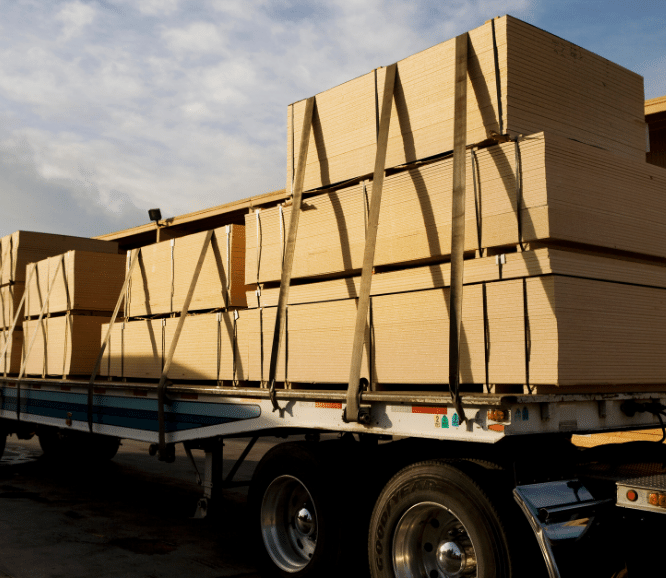
Combines sophisticated GPS technology with flexible, advanced mapping and reporting software — data transmits via cellular or satellite networks to a web-accessible application.

Our technicians fit GPS trackers, fuel sensors and axle-load sensors to every truck, calibrate them on site and demonstrate the platform live.
Each vehicle streams location, fuel level, engine hours, axle weight and driver-behaviour data to the Matrix Track platform in real time.
Dispatchers watch the whole fleet on one map and receive instant alerts for overloading, sudden fuel drops, harsh driving or route deviations.
Automated reports on mileage, fuel and axle loads turn raw data into clear decisions that cut costs and extend vehicle life.
Fuel sensors and consumption analytics expose theft, excessive idling and wasteful driving — trimming one of your largest fleet expenses.
Axle-load monitoring keeps every truck within legal weight limits, protecting your company from penalties and road-authority disputes.
Know where every truck and every load is at any moment — fewer status calls, faster dispatch and stronger customer trust.
Engine health checks and service reminders catch small issues before they turn into breakdowns, towing bills and lost delivery days.
Complete digital records of routes, stops and deliveries resolve disputes with clients and drivers in minutes, not weeks.
Scoring drivers on speeding, harsh braking and acceleration builds a safety culture that lowers accident rates and insurance costs.
Truck telematics is the combination of GPS tracking and on-board sensors that reports what a truck is doing in real time. Beyond location it captures engine hours, fuel level, axle load, speed and driver behaviour, then sends that data over cellular or satellite networks to a web platform where dispatchers and managers can act on it.
Axle load is measured by sensors fitted to the suspension of each axle, which report the weight being carried and warn before a truck exceeds its legal limit. Driver behaviour is derived from GPS and accelerometer data, so speeding, harsh braking, sharp acceleration and cornering are scored per driver and can be coached objectively.
Yes. The Matrix Track platform supports hundreds of tracker models, so tippers, tankers, trailers, vans and heavy equipment can all be managed from one dashboard. Each vehicle type can carry a different sensor mix, such as fuel, axle load, temperature or door sensors, while reporting into the same maps and reports.
Alerts cover overloading, sudden fuel drops and unauthorised refills, over-speeding, harsh driving, unauthorised movement, route or geofence deviation, prolonged idling, engine faults and service due dates. Each alert can be delivered by app notification, email or SMS and routed to the right person, so every team sees only what concerns them.
Yes. Fleet data can be passed into ERP, transport management, dispatch, payroll or maintenance software through APIs and scheduled data exports, so telematics complements the tools you already use instead of replacing them. Share your integration requirements with our team and we will confirm which method suits your setup.
Talk to our team about telematics for your truck fleet.