Fuel Theft Prevention
Prevent fuel theft, reducing costs and maximizing revenue.
Railroad telematics enables remote monitoring of locomotives and railway equipment — fuel consumption, tank operations, engine runtime in heating and optimal modes, and diagnostic error-code detection. Remote diagnostics support predictive maintenance, performing repairs based on actual wear patterns rather than fixed schedules.
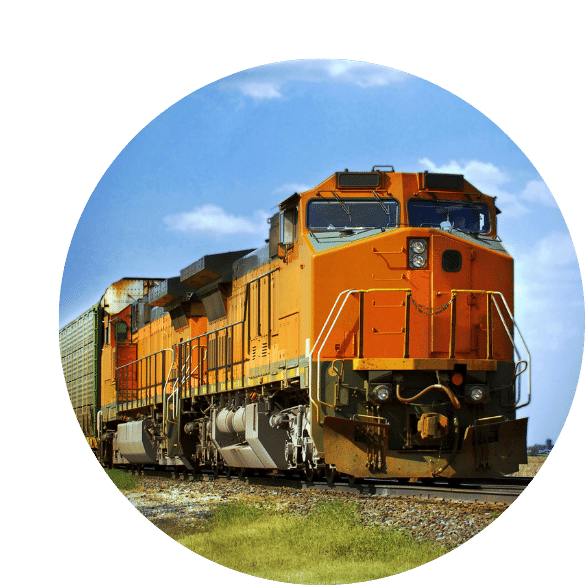
Prevent fuel theft, reducing costs and maximizing revenue.
Track machinery efficiency through engine-hour management.
Fuel-sensor installation enables dashboard tracking across all devices.
Operation-based monitoring helps plan efficiency improvements.
Identify failures via the dashboard to reduce breakdown expenses.
Expert technician installation with live demonstration and 24/7 support.
Covers fleet tracking, fuel monitoring, breakdown alerts and operational metrics.
Notifies you of upcoming maintenance needs, reducing major repair costs.
Real-time visibility of every locomotive and railway machine.
Monitor drain / fill events, start / stop cycles, tampering and failures — with instant alerts via SMS and email.

Helps optimize machinery efficiency and plan fuel consumption by tracking exactly when and how each machine operates.

Our engineers fit rugged GPS terminals and sensors on locomotives, rail cranes and track maintenance machines. Installation is planned around your maintenance windows, so operations are never interrupted.
Each unit continuously records position, speed, engine hours, fuel use and operational events, transmitting the data securely to the Matrix Track platform even across remote sections of the network.
Dispatchers watch the entire fleet live on one screen. Instant alerts flag unauthorized movement, abnormal idling, harsh operation and events that could signal a fault before it becomes a failure.
Automated reports on utilization, fuel consumption and operation time turn raw data into decisions — helping you schedule maintenance, deploy machinery efficiently and prove performance to stakeholders.
Operation time and idling data expose wasted engine hours across the fleet, letting you cut fuel spend on locomotives and heavy rail machinery where it matters most.
Event detection and engine-hour tracking reveal early warning signs, so maintenance happens on schedule instead of after a costly failure that blocks the line.
Every machine is visible around the clock, even on remote track sections — no more phone calls to find out where a crane or tamper actually is.
Utilization reports show which machines are overworked and which sit idle, so you deploy existing equipment better before buying more.
Alerts on unauthorized movement and abnormal operation protect crews, equipment and the track itself — reducing incidents and the liability that follows them.
Complete operation logs give you documented proof of machine activity for regulators, insurers and contract partners, without manual paperwork.
Talk to our team about locomotive and railway machinery monitoring.