Robust GPS Tracking
Track individual drivers by measuring exceptions such as over-speeding and idling to build dedicated training programs.
Fuel costs can represent up to 30% of fleet management expenses, directly impacting operating costs and profitability. Matrix Track tackles the biggest fuel-related challenges through GPS tracking and telematics — from consumption graphs and theft prevention to remote engine shutdown.
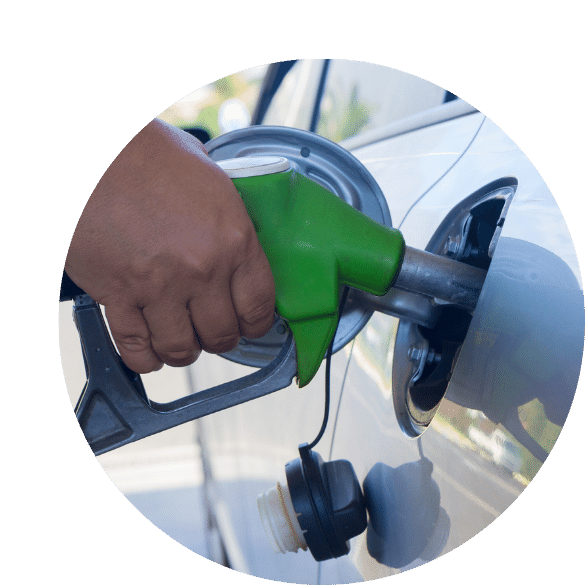
Track individual drivers by measuring exceptions such as over-speeding and idling to build dedicated training programs.
Maintenance optimization to minimize downtime and maximize effectiveness at the lowest cost.
Visualise fuel data clearly for quick compliance verification and decisions.
Automated performance monitoring and documentation on schedule.
A clean, accessible interface designed for everyday fleet operators.
Works across devices so you can manage fuel anywhere, any time.
Continuous consumption tracking for every vehicle in the fleet.
Instant alert systems keep you informed of any exception.
Immobilise a vehicle securely and remotely from the dashboard.
Visual consumption analysis to spot anomalies at a glance.
Detect siphoning and unauthorised refills with security measures.
Round-the-clock oversight of your entire fuel operation.
Fuel tank calibration is essential to create an accurate fuel chart for each vehicle. A well-trained Matrix Track technician, versed in the correct safety procedures, is dispatched to perform the fuel tank calibration.
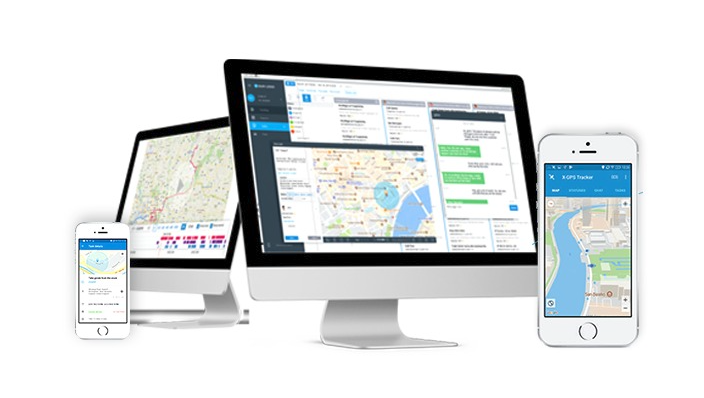
Graph interpretation training is provided through both in-house and on-site programs, so your team can confidently act on the fuel data Matrix Track delivers.
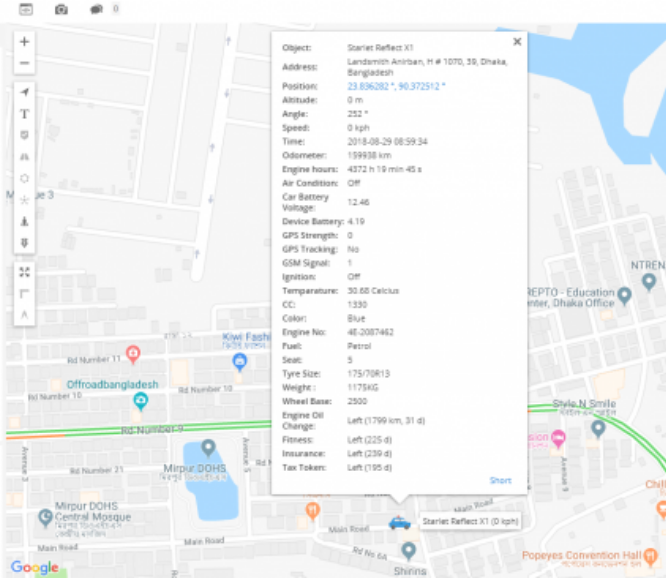
A certified technician fits the fuel sensor and calibrates your tank for an accurate fuel chart.
Fuel level, consumption, refills and drains are recorded in real time for every vehicle.
Sudden drops, unauthorised refills and route deviations trigger immediate notifications.
Consumption graphs and driver scores show exactly where money is being lost — and saved.
Fuel is the largest running cost of most fleets. Theft detection, idling control and route discipline cut it dramatically.
Siphoning and unauthorised refills are detected the moment they happen — with the exact time and location.
Objective fuel data ends disputes with drivers and suppliers and gives finance teams audit-ready records.
See consumption per vehicle, per route and per driver from one dashboard, wherever you are.
Engine-hour data and maintenance scheduling keep vehicles serviced on time and on the road.
Most customers recover the cost of the system within months through fuel savings alone.
View vehicle progress in real time — a major benefit of GPS tracking.
Animated Map Replay retraces a vehicle's route for a chosen date and time.
Mobile-friendly and cross-platform — track your fleet wherever it goes.
Customize alerts to make you aware of exceptions — in real time.
Monitoring multiple vehicles is easy, user-friendly and cost-effective.
Detailed reports and driver scoring bring clarity to every route.
A fuel monitoring system detects theft by watching the fuel level continuously and flagging drops that do not match normal consumption. A sensor inside the tank reports volume second by second, so a sudden fall while the vehicle is parked or idling triggers an instant alert showing the exact time, location and quantity lost.
A fuel level sensor is a probe fitted inside the tank that measures the depth of fuel and converts it into volume. Because every tank has a different shape, a Matrix Track technician calibrates it on site, filling in measured stages to build a fuel chart that maps sensor readings to real litres.
Fuel monitoring can be fitted to almost any vehicle or machine with a fuel tank, including trucks, buses, tankers, generators and heavy equipment. Older vehicles use a tank-mounted fuel level sensor, while many modern vehicles can also report fuel data from the engine CAN bus. Our team confirms the right method for each vehicle before installation.
You get consumption, refill and drain reports for every vehicle, route and driver. Typical outputs include fuel graphs showing level over time, refill logs with location and quantity, suspected drain events, consumption per distance or per engine hour, idling time and driver scorecards. Reports can be scheduled by email or exported for finance.
Payback depends on your fleet fuel spend rather than a fixed timescale. The logic is simple: weigh the monthly cost of the system against the fuel recovered by stopping theft, cutting idling and tightening routes. Fleets with large fuel bills or suspected losses see the fastest return, and we can model the figures using your own consumption data.
Talk to our team about calibration, theft prevention and fuel analytics.